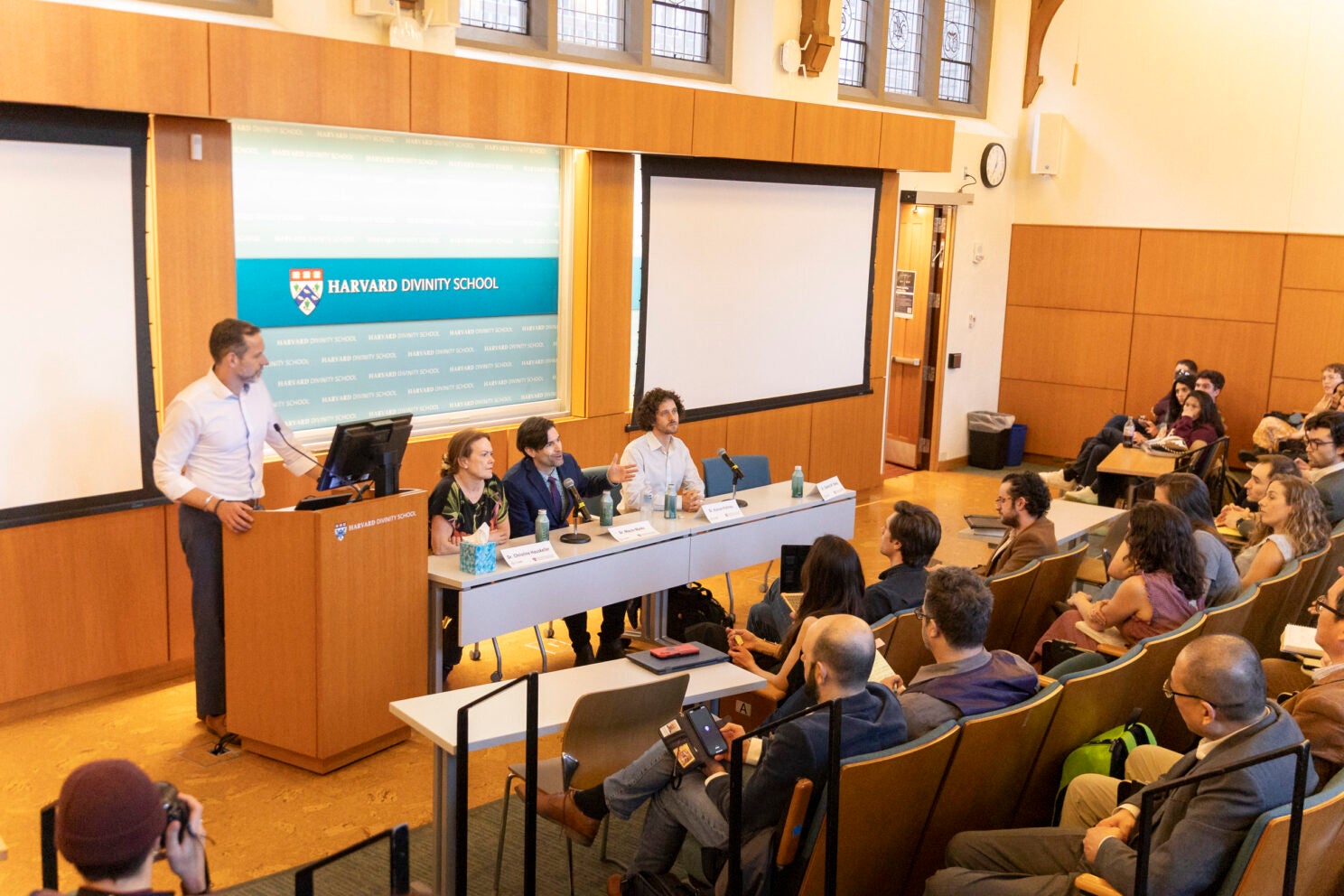

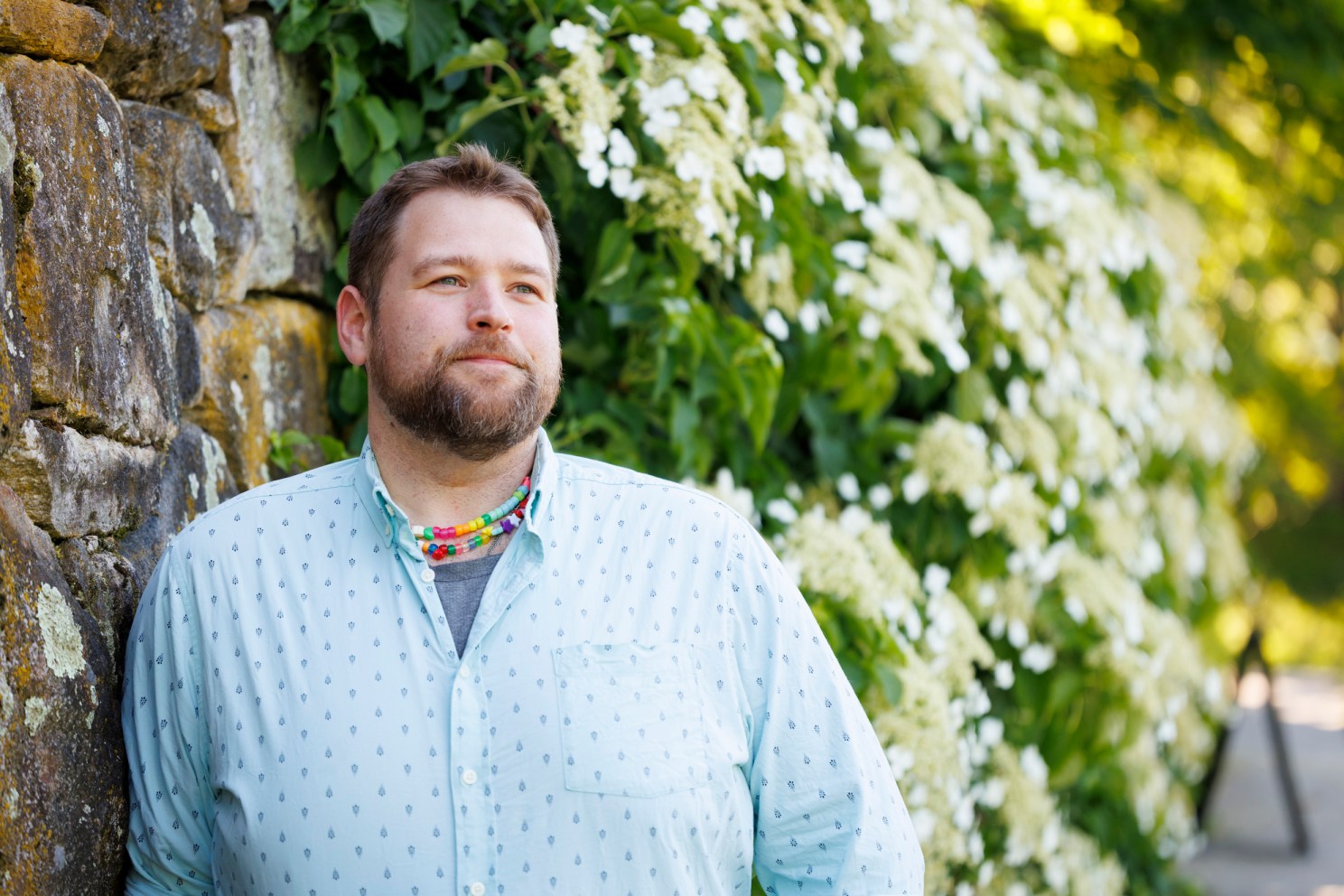
Tony Cunningham.
Niles Singer/Harvard Staff Photographer
Health
Losing sleep is bad for individuals. Communities, too?
Researchers look to fill knowledge gap, push for studies of what happens to health of groups when major events disrupt rest
Large groups of people often lose sleep because of big events like a record 18-inning World Series game or a contested election night, or sudden crises like flood, pandemic, or war.
In a new paper, Harvard sleep researchers argue that while the mental and physical health effects of diminished sleep on individuals are well-studied, what’s far less understood is what happens when communities of people lose sleep or have it disrupted because of some major occurrence.
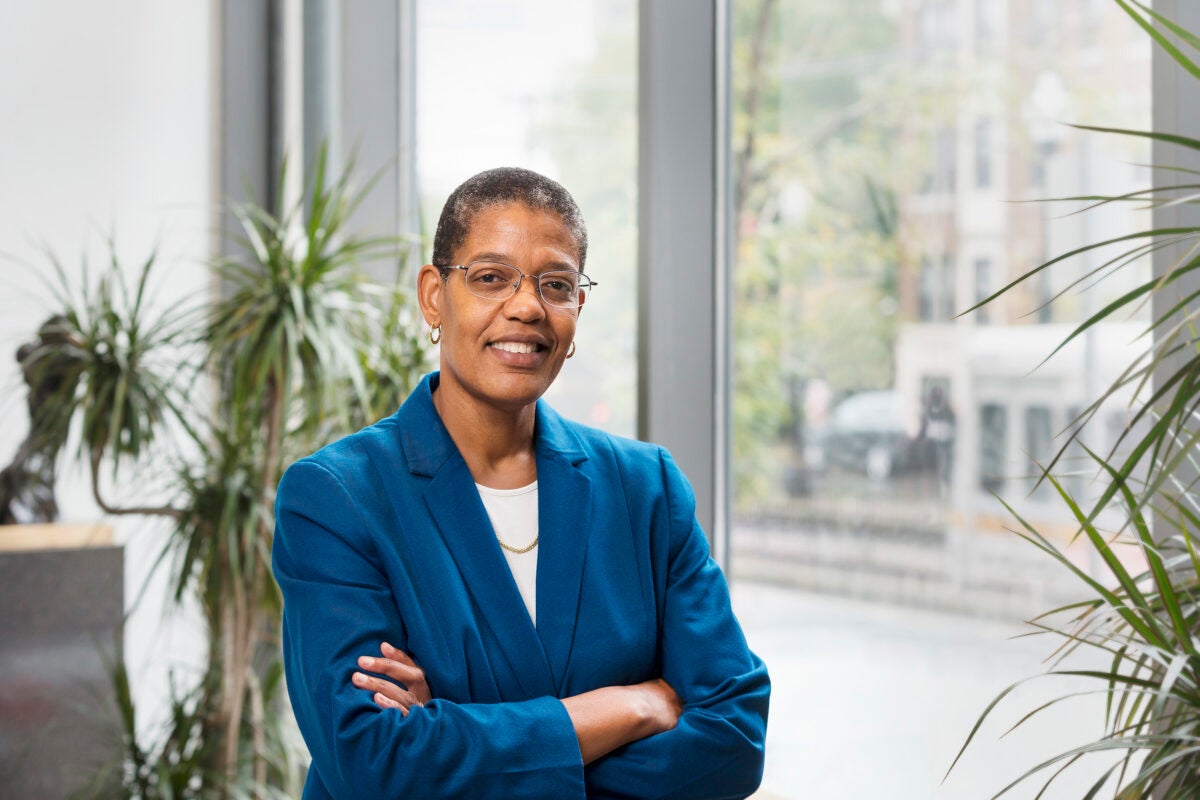
In this edited conversation, co-author Tony J. Cunningham, assistant professor of psychology at Harvard Medical School and director of the Center for Sleep and Cognition at Beth Israel Deaconess Medical Center, explains why this concept they call “public sleep” deserves far more study.
What do you mean by public sleep?
I think we have largely been brought up to think that sleep is a very personalized, individualized thing that happens behind closed doors and that’s where it stops. But what we are beginning to understand more is that the world outside our bedroom door does play a role in and has a large impact on our sleep.
“But what we are beginning to understand more is that the world outside our bedroom door does play a role in and has a large impact on our sleep.”
Right now, it’s mostly an idea. It’s a concept that needs more investigation because I’m not quite sure where the boundary conditions are on it yet. But the takeaway is that we think that major public events that happen to us as a social group can have impacts on our sleep. This is not really a new concept in the sense that big things can impact us — there’s established concepts like public mood, there’s also public memory. But what hasn’t really been talked about as much is the sleep aspect, which is different and distinct.
We know that after losing an hour of sleep as a whole there’s an increase in car accidents; there’s increased risk for heart incidents like cardiac arrest, and stuff like that.
And so, this is probably happening to us at a community level way more than we think it does, and so, what are the costs of this? What are the health risks? What are the industry costs, production costs, and things like that?
And also, the mental health risks and how we’re dealing with things and each other in today’s day and age?
Our idea is that the same basic principles can be applied to a lot of different scenarios like elections, sports championships, the onset of war or a terrorist attack — all of these clearly are going to disturb people’s sleep for an indeterminate amount of time. Natural disasters are another great example. What is the actual short-term and long-term consequence?
So public sleep includes not only what happens to people right after a big disruption like an election or sports championship, but what happens in the months and years afterward?
It’s very easy to see public sleep after an acute event when something really big and stressful happens. That’s kind of the proof of concept that it exists. It’s that chronic-level stuff that is tougher to determine, but also potentially the most important.
A really good example is what’s it like to be a Ukrainian resident these days where they’ve had this ongoing threat of life or death for the last three or four years. What are the impacts on sleep in the long term? Have people largely come back to a new normal for the time being and if they have, is it really the same? How has COVID shaped our new post-COVID society?
These are all things that have potentially long-term consequences that could be attributable, or at the very least, sped up some changes that would have happened eventually, but it was such a jolt to the system that we’re seeing things shift more rapidly than they would have.
A great example of a potential silver-lining outcome of that time is that people in some sectors may be able to sleep more or more in line with their preferred natural rhythm if they don’t have to commute with the rise of remote work.
What evidence did you find that convinced you public sleep was a distinct area?
What propelled us to do this piece now is that we did data collection during the 2020 election and then again in largely the same population during the 2024 election.
As we know, the outcomes of the elections were remarkably different. But what we saw was that the effects on sleep were the same leading up to the night of the election for both elections, and then the recovery from it looks very similar between the 2020 election and the 2024 election.
It’s very important to note that the sample we were able to recruit at the time was largely left-leaning white women from the northeastern United States. What we saw was after the 2020 election was called, the mood shift was much more positive, whereas the mood shift after the 2024 election was much more negative within our sample. Effectively the exact same planned event and the sleep effects went the same way for both, but the mood effects diverged based on the outcome.
That is really when we said, “We’re onto something here.” When you could take the same event with pretty much the same people, we’re seeing similar changes in sleep, but then very distinct changes in mood, so that makes us think this is a distinct entity.
“One of the challenges is that while you know some of these events are coming, like elections, there are many, many more that are totally unpredictable.”
One of the challenges is that while you know some of these events are coming, like elections, there are many, many more that are totally unpredictable. Take the Boston Marathon bombing: no idea that’s coming. That makes it nearly impossible to study in the way we’d like to from a practical and economic standpoint.
The National Sleep Foundation does do annual assessments, but they’re one-off surveys, so it’s not quite the same thing. You could try to find places at high risk of maybe a natural disaster and always have a little bit of prospective data collection going on — which means you can actually see what is happening pre-, during, and post-event. But otherwise it’s a lot of retrospective reporting and becomes messy pretty quickly.
Measuring sleep across communities is difficult because the data is typically self-reported and longitudinal studies are often complicated and costly. Is there any technology that could be helpful?
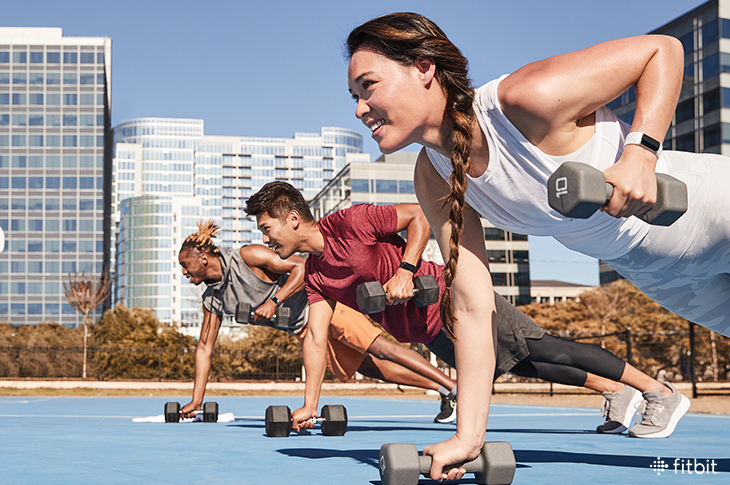
Wearables like Apple Watches, Oura rings, Whoop bands, Fitbits, Galaxy watches, all those things, I believe, are going to be the initial future of this area. Some of this data was able to be tapped during COVID.
From what we’ve seen, they are pretty good at determining the very high-level metrics, like when you go to bed and if you’re asleep versus if you’re awake. All of the other measures, like stages of sleep, “readiness scores” or “overall sleep scores,” we, as researchers and clinicians, can’t speak to how good of a job they’re doing because it’s all proprietary information and the validation studies out there are iffy at best.
We’d love to see polysomnography, or PSG, which measures your brain activity and your eye movement and your muscle tone while you’re sleeping. That is the current gold standard. I hope that the wearable industry will start to come up with additional features or add-on devices that could get that level of information, but right now, they just don’t.
I also have hopes that AI is going to improve some things in this space. I’m very excited for the future of sleep scoring because the way we do it right now is inherently prone to human error. So I am excited about the future and technology development that I think is going to make all this much better and more feasible and scalable to collect a lot of data at low cost.
What are some potential policy implications if the idea of public sleep takes hold?
What I would be encouraging industry and corporations to do is to have an awareness of this and the potential impact it can have. It’s nothing that I can currently see the government dictating at the moment beyond providing additional funding for research in this space, but that could change as we learn more.
For now, it’s more of a public awareness campaign — that when stuff like this happens, you may expect to lose a little bit of sleep, here are some of the possible consequences, and here are some ways you can help mitigate those effects.
It’s really about helping people cope with the inevitable, because these things are going to happen, and we cannot prevent them from happening. Helping people prioritize their sleep when they can is always a good idea. So, it’d be on the public messaging side of things where I’d like to see things take off in this area first.