

Health
When stress is a punch to the gut
New study traces network of nerves that disrupt digestion, pointing to potential IBS treatment
When stress affects the gut, the stomach tightens, digestion slows. For some, these symptoms resolve quickly. For others — particularly people with constipation-predominant irritable bowel syndrome (IBS-C) and related conditions — they don’t.
In a new study, investigators at Beth Israel Deaconess Medical Center (BIDMC) show how stress hormones directly interfere with gut function, slowing digestion through a newly defined pathway. In preclinical models, the findings point toward a potential way to treat stress-associated constipation.
Led by corresponding author Subhash Kulkarni, Harvard Medical School assistant professor of medicine and principal investigator in the Division of Gastroenterology at BIDMC, the study’s findings are published in the Journal of Biological Chemistry.
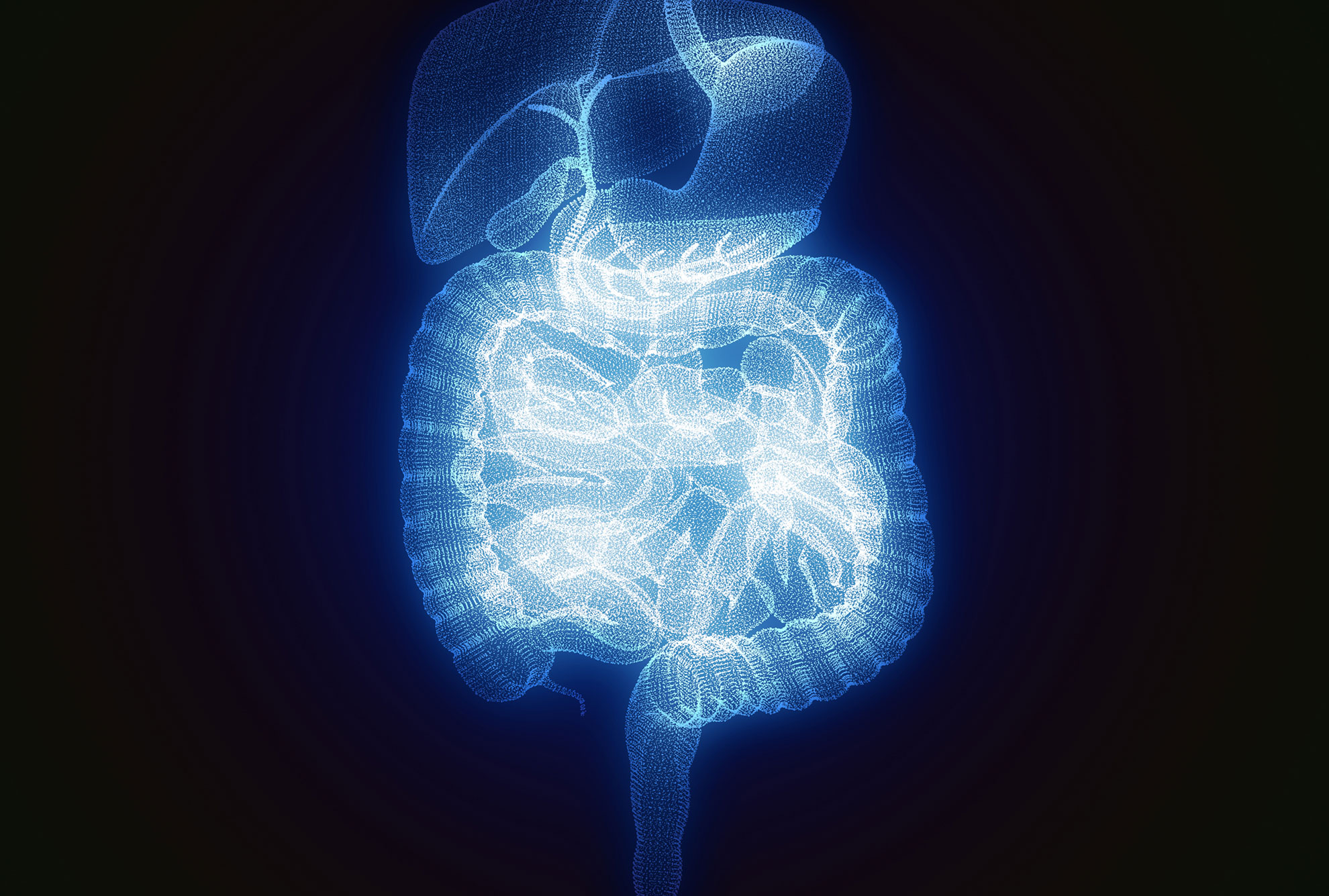
The researchers’ work centers on the enteric nervous system (ENS), often called the “second brain” of the gastrointestinal tract. This network of nerves in the gut controls how food moves through the digestive system, and can coordinate digestion on its own, without input from the brain or spinal cord. However, the ENS is connected to the rest of the nervous system and does receive signals from the outside world, meaning the stressors big and small can override its normal functions.
Scientists already knew that stress hormones can disrupt ENS signaling and had demonstrated a disrupted signaling pathway in patients with irritable bowel syndrome (IBS). What was not clear was exactly how that disruption happens or whether it could be reversed. In the new study, the researchers show exactly how stress interferes with the pathway and demonstrate that restoring it improves gut function in preclinical models, identifying it as a promising target for new IBS treatments.
Specifically, Kulkarni and colleagues found that stress hormones suppress the gut’s cell-to-cell communication, leaving GI movement slowed and increasing the risk of persistent constipation. The team traced this breakdown to a specific chemical signaling pathway in the gut — involving a molecule called BDNF and its receptor, TrkB — that helps keep digestion responsive.
When the researchers activated this pathway using a compound that stimulates the TrkB receptor, they were able to restore normal gut movement in experimental models of stress.
“This study identifies both the basic biology for why stress slows down your gut and creates a platform through which novel therapeutics can be generated and tested for treating stress-associated constipation,” said Srinivas N. Puttapaka, an HMS research fellow in medicine at Beth Israel Deaconess, who led the study with co-lead author Jared Slosberg, a doctoral candidate at Johns Hopkins University School of Medicine.
“By pinpointing how stress disrupts this pathway and showing that its function can be restored, we’ve identified a clear and actionable target for developing new treatments for IBS,” said Puttapaka.
This work was funded in part by the National Institute on Aging; a Pilot grant from the Harvard Digestive Disease Core to Subhash Kulkarni; the Walter Benjamin Fellowship the Deutsche Forschungsgemeinschaft to Philippa Seika; Diacomp Foundation; with additional support from Harvard Catalyst and the National Institutes of Health.